

IN PARTNERSHIP WITH

It's happening again - but this time, it's faster.
✅ Banks are quietly closing branches across the country.
✅ The Treasury is signaling deeper debt problems.
✅ Stock market volatility is rattling portfolios daily.
And through it all... your retirement stays fully exposed?
You have two options:
✅ Hold tight and ride it down - like millions did in 2008 and 2020.
✅ Or grab the raft that more informed investors are quietly using to stay afloat.
Here's what few are talking about - but the wealthy already know:
Never heard of it? That's the point.
This IRS-backed provision allows qualified Americans to reposition a portion of their 401(k), IRA, TSP, or 403(b) - without penalties, without moving to cash, and without staying exposed to a system that's clearly shaking.
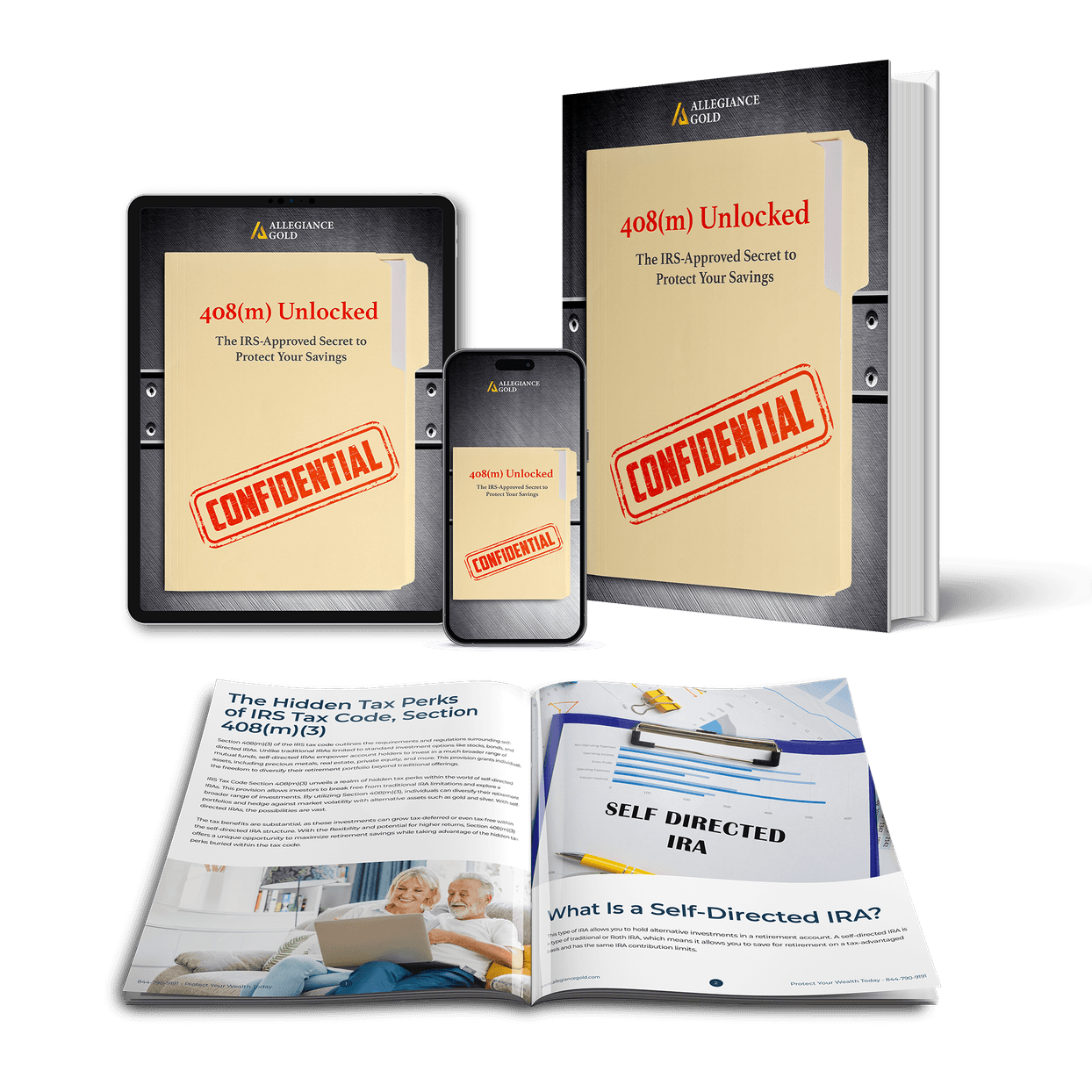
Request your FREE 408(m) Guide now and uncover how this little-known IRS rule could be the raft that helps you ride out the next wave - before it's too late.
Financial markets wear the mask of composure well these days.
The challenge for modern investors lies not in recognizing dramatic shifts but in navigating the tension between patience and preparedness. In an environment where both opportunity and risk wear subtler faces, the art of staying financially afloat demands more active discipline than passive hope.
The New Meaning of Caution
Savers continue to allocate capital to interest-bearing accounts even as rates begin their gradual descent, suggesting a deliberate choice to secure returns while they remain available.
This behavior reflects a sophisticated understanding that caution today requires active engagement rather than defensive retreat. Americans demonstrate that financial discipline has evolved beyond simple accumulation.
|
Learning to Stay Afloat
Central banks worldwide have responded to these structural shifts by dramatically increasing their gold reserves.
Individual investors have adopted similar strategies for maintaining financial autonomy. The rise in self-directed investment platforms and the sustained demand for precious metals reflect a broader desire for direct control over asset allocation.
Composure as Strategy
This disciplined approach extends beyond asset allocation to encompass broader financial planning principles. The emphasis on preparation over prediction reflects lessons learned from previous market cycles where timing proved less important than positioning.
Financial composure in 2025 requires balancing multiple objectives simultaneously: maintaining adequate liquidity for unexpected opportunities, preserving purchasing power against persistent inflation pressures, and positioning for growth without accepting undue risk.
Key Shifts in America’s Financial Landscape:
▶ 100+ Banks Agreed to the New System
(by Priority Gold)
▶ The White House Is Betting on Bitcoin — Are You Still Waiting?
(by Crypto 101)
▶ America Is About to Change Forever — Here’s Why
(by American Alternative Assets)
The Discipline of Staying Afloat
The discipline of staying afloat means accepting that composure itself has become a strategic advantage in markets where emotional reactions create opportunities for those prepared to act deliberately. In a world where both central banks and individual savers increasingly value optionality over optimization, the ability to remain financially flexible while markets search for new equilibrium points offers its own form of return.
Deniss Slinkins,
Global Financial Journal
